Cessna Nose Gear Strut Assembly: Aircraft Landing Gear Support and Shock Absorption
Cessna Nose Gear Strut Assembly: Aircraft Landing Gear Support and Shock Absorption
Blog Article
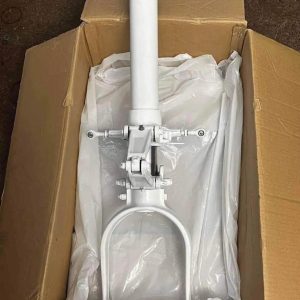
The Cessna Nose Gear Strut Assembly combines load support, controlled compression, wheel positioning, and steering-related functions within the aircraft’s complete landing-gear system.
The Cessna Nose Strut may provide shock absorption and structural support, but actual functions depend on the complete assembly and aircraft configuration.
A Cessna Front Landing Gear Assembly may include an Aircraft Nose Gear Strut, wheel fork, steering parts, attachment hardware, seals, bearings, and other model-specific components.
These related terms help connect the product with aircraft owners, maintenance facilities, restorers, and general aviation parts buyers.
The Cessna Steering Strut Assembly, Cessna Replacement Nose Gear, and General Aviation Landing Gear Parts keywords describe commercially relevant searches for maintenance and restoration projects.
Identifying the Complete Nose Gear Component
Every dash number, suffix, revision, modification, and subcomponent marking should be recorded because similar-looking Cessna nose gear assemblies may not be interchangeable.
Informal descriptions such as complete or ready to install should be supported by an exact inventory.
Evaluating Landing Gear Structural Responsibilities
The nose gear supports a portion of the aircraft’s ground weight and transfers loads into designated airframe attachment points.
Any evidence of previous impact should be disclosed and investigated.
Maintaining Controlled Compression
The exact method may involve hydraulic fluid, compressed gas, seals, metering features, mechanical components, or a combination determined by the aircraft design.
The aircraft’s actual loaded condition affects visible strut extension read more and should be considered during evaluation.
Nose Wheel Steering and Directional Control
The nose gear may interact with the aircraft steering system through collars, torque links, rods, springs, cables, stops, bushings, or other model-specific mechanisms.
Towing procedures should respect the aircraft’s steering limitations.
Verifying Illustrated Parts Catalog Information
The phrase Cessna Nose Gear Strut Assembly should not be interpreted as compatibility with every Cessna aircraft.
The complete receiving-aircraft configuration should be reviewed before purchase.
Checking Chrome and Machined Surfaces
Detailed inspection supports reliable Aircraft Nose Gear Strut evaluation.
The piston should move through the permitted range without binding, roughness, excessive side play, or abnormal resistance.
Understanding Strut Seal Maintenance
Fluid leakage around the piston, seals, fittings, plugs, or servicing points can indicate deteriorated seals, damaged surfaces, loose components, contamination, or incorrect assembly.
Incorrect seal material, damaged installation tools, contaminated fluid, or improper assembly can lead to early failure.
Protecting Cessna Landing Gear Components
Landing gear components are exposed to water, runway contaminants, cleaning products, salt, dirt, chemicals, and changing environmental conditions.
Fastener holes, fork transitions, cylinder ends, and welded or machined areas deserve close attention.
Determining the Need for Nondestructive Testing
The assembly should be inspected for cracks, bending, twisting, damaged welds, distorted mounting features, and impact marks.
The seller should disclose the donor aircraft’s removal reason and known incident history.
Maintaining Wheel and Tire Geometry
Fork alignment influences wheel tracking, steering response, tire wear, and clearance around fairings or nearby components.
Used hardware should not be reused automatically without applicable inspection.
Inspecting Landing Gear Articulation Components
Dimensional inspection supports a durable repair.
Improperly installed bushings, unsuitable bolts, missing washers, or altered holes can affect steering and strut movement.
Diagnosing Cessna Nose Gear Handling Concerns
Nose-wheel shimmy can result from worn bushings, loose torque links, tire imbalance, wheel-bearing play, incorrect tire pressure, steering looseness, alignment issues, or structural wear.
Tire condition should be reviewed together with the strut, wheel, fork, axle, and steering components.
Servicing the Cessna Shock Strut
Shock-strut servicing should follow the exact aircraft maintenance procedure for fluid type, quantity, pressure, extension, loading condition, and safety precautions.
Proper servicing protects the Aircraft Landing Gear Strut and surrounding structure.
Evaluating Internal and External Components
Parts replaced, measurements taken, defects found, and repairs completed should be documented.
Unauthorized welding, straightening, plating, machining, or hole enlargement can affect future eligibility.
Aircraft Nose Gear Buying Guide
Detailed review reduces unsuitable purchases and unexpected overhaul costs.
- Determine whether the wheel, tire, bearings, spacers, steering links, hardware, servicing fittings, records, and release documents are included.
- Review the history for hard landings, runway excursions, towing incidents, shimmy, tire failure, overload, storage exposure, freight damage, and structural repair.
- Inspect and photograph the assembly immediately after delivery before cleaning, servicing, disassembling, repairing, painting, or installing it.
Safe Freight Handling Procedures
The chrome or polished piston area should receive protective wrapping that prevents impact and contamination without trapping moisture.
The component should remain immobilized so it cannot roll, slide, or strike the container during transportation.
Storage and Preservation Before Installation
During storage, the strut should remain clean, dry, supported, labeled, and protected from impact, moisture, chemicals, dust, and uncontrolled handling.
Identification records, inspection tags, hardware, seals, and supporting documents should remain associated with the correct assembly.
Professional Installation of the Nose Gear Strut
The technician should verify the part number, aircraft applicability, mounting points, dimensions, hardware, steering links, torque components, wheel fork, axle, and servicing requirements.
Hoses, wiring, fairings, controls, and nearby components should maintain suitable clearance through the steering and compression ranges.
Taxi checks should begin conservatively and should monitor shimmy, pulling, vibration, abnormal noise, leakage, and steering behavior.
Protecting Long-Term Ground Handling Reliability
Consistent care supports dependable Cessna Nose Landing Gear Strut operation.
Preventive care protects the aircraft, occupants, and landing-gear components.
Choosing a Documented Aviation Component
A recent professional inspection or overhaul can add value when the scope, findings, measurements, and replaced parts are documented accurately.
Availability of technical information, replacement parts, and qualified maintenance support can influence long-term value.
Buying a Replacement Cessna Front Gear Assembly
The Cessna Nose Gear Strut Assembly offers stronger commercial value when its part number, removal history, inspection status, overhaul records, included hardware, and documentation are described accurately.
The assembly should be evaluated with the receiving aircraft’s structure, steering, wheel, tire, alignment, servicing, and installation requirements in mind.
Whether buyers need a Cessna Front Landing Gear Assembly, Aircraft Nose Gear Strut, Aircraft Nose Landing Gear Assembly, or Cessna Shock Strut Assembly, current physical condition should be verified.
With transparent records, protected shipping, correct steering and mounting compatibility, careful alignment, and appropriate maintenance, the Cessna nose gear can support a professional repair project.
Report this page